
Downtown -Jebelali New Project Tarrad Jebel Ali Residence is a modern mixed-use development by Tarrad Development, strategically located in the heart of Downtown Jebel Ali, Dubai. The project seamlessly combines contemporary residential living with vibrant retail spaces, offering residents a well-connected lifestyle surrounded by excellent amenities, business hubs, and key transportation links. Interested in This Property? 1 Bedroom For Rent https://evg.realestate/realestate/wp-content/uploads/2026/10/dubai-property.mp4 Total AED 825,600 (Incl. 4% DLD + Admin) Payment Breakdown NOW:EOI AED 50,000- Reserve Unit IN 2-3 WEEKS: Balance – Remaining Down: AED 108,000 (158,000 – 50,000) – DLD 4%: AED 31,600 – Admin: AED 4,000 – Due in 2-3 Weeks: AED 143,600 Total Paid at Start: AED 193,600 Monthly:AED 7,900 (1%) On Handover:AED 395,000(50%) Contact us
What Makes a Property More Attractive to Tenants in Dubai
What Makes a Property More Attractive to Tenants in Dubai Dubai’s rental market offers tenants a wide range of choices, from compact city apartments to spacious family villas and premium waterfront residences. With so many options available, landlords need to understand what potential tenants look for when comparing properties. While location and rental price remain important considerations, other factors can also influence a tenant’s decision. A well-maintained interior, practical layout, reliable building facilities, convenient transport links, and clear rental terms can all contribute to a property’s overall appeal. Whether you own an apartment in Dubai Marina, a residence in Business Bay, or a villa in a family-oriented community, understanding tenant preferences can help you position your property more effectively. In this guide, EVG Real Estate explores the key features that can make a rental property more attractive and the practical steps landlords can consider before listing their property. Choose a Location That Fits Tenant Needs Location is one of the first things tenants consider when searching for a rental property. A home that offers convenient access to work, transport, shopping, and everyday amenities may appeal to a broader range of renters. However, different tenants have different priorities. Professionals may prefer proximity to business districts and public transport, while families may place greater importance on schools, parks, and community facilities. When evaluating a property’s location, consider: Access to Dubai Metro, tram services, and major roads. Proximity to workplaces and business districts. Nearby supermarkets, restaurants, and shopping facilities. Access to schools, healthcare, parks, and recreational spaces. Traffic conditions and commuting convenience. The availability of comparable rental properties nearby. Tip for landlords: Highlight the property’s actual location advantages in the listing. Mention nearby facilities and transport links only when they are genuinely accessible from the property. Maintain a Clean, Modern Interior First impressions matter when prospective tenants view a property online or in person. A clean, bright, and well-maintained interior can help people imagine themselves living in the space. You don’t necessarily need an expensive renovation to improve a property’s presentation. Often, straightforward improvements can make a meaningful visual difference. Focus on the Essentials Repaint visibly marked walls where necessary. Repair damaged fixtures, handles, and fittings. Ensure lighting works properly throughout the property. Clean kitchens, bathrooms, floors, and windows thoroughly. Remove unnecessary furniture and clutter. Address visible maintenance issues before viewings. Neutral colours, functional furniture, and good lighting can help rooms appear more inviting. Prioritise practical improvements over decorative upgrades that may not meaningfully improve the property’s appeal. Offer a Practical and Functional Layout A property’s layout affects how comfortably tenants can use the space. Even a well-located apartment may feel less appealing if its rooms are difficult to furnish or the available storage is limited. Tenants may look for a comfortable living area, usable bedrooms, convenient kitchen storage, adequate wardrobe space, and a sensible separation between living and sleeping areas. For landlords preparing a property for rent, consider whether Furniture allows comfortable movement through the rooms. Bedrooms can accommodate suitable beds and storage. Kitchen worktops and cupboards are clean and functional. Bathrooms have adequate ventilation and working fittings. Available storage meets the likely needs of the target tenant. Balconies and outdoor areas are clean and usable where applicable. Tip: Present the property’s real dimensions and layout clearly in the listing. Accurate floor plans and well-composed photographs help prospective tenants understand the available space. Provide Reliable Building Facilities and Amenities Amenities can influence how tenants compare similar properties, particularly when several options are available in the same community. Depending on the building, tenants may value facilities such as: Secure building access. Covered parking. Swimming pools and fitness centres. Elevators and well-maintained common areas. Reception or concierge services where available. Children’s play areas and landscaped spaces. Convenient access to shops and everyday services. The importance of each amenity depends on the tenant’s lifestyle and the property’s rental segment. A professional living alone may value transport and fitness facilities, while a family may prioritise parking, outdoor spaces, and access to schools. Landlords should also ensure they understand the building’s rules, service arrangements, and any restrictions that affect tenants’ use of shared facilities. Decide Whether to Offer a Furnished or Unfurnished Property Furnishing can affect the type of tenant interested in a property, but furnished homes are not automatically more attractive to every renter. Furnished Properties A furnished property may appeal to tenants seeking convenience, including people relocating to Dubai or those who prefer not to purchase furniture themselves. Useful considerations include furniture quality, comfort, storage, appliances, and the overall condition of the furnishings. Landlords should also account for maintenance and replacement costs. Unfurnished Properties An unfurnished property gives tenants more flexibility to furnish and personalise their home. It may appeal to renters bringing their own furniture or planning to stay longer. The property should still offer functional fittings, a clean interior, and sufficient space for tenants to arrange their belongings. Which Option Should You Choose? Compare similar rental listings in your building and community. Consider the target tenant, expected rental price, furnishing costs, maintenance requirements, and the type of rental arrangement you intend to offer. The decision should be based on local demand and your overall costs rather than assumptions about which option is always better. Set a Competitive and Realistic Rental Price Rental pricing is an important factor when tenants compare properties. Even an attractive home can receive less interest if its asking rent is noticeably higher than comparable properties without a clear reason. To assess a suitable rental price, research similar properties in the same building or nearby area. Compare the number of bedrooms, size, condition, furnishing, views, parking, facilities, and lease terms. Consider the following: Current comparable rental listings. Recent rental transactions where reliable data is available. The property’s condition and included features. Building and community amenities. Furnished or unfurnished status. Relevant market conditions and applicable rental regulations. Avoid relying entirely on advertised asking rents, because an asking price does not necessarily reflect the final agreed rent. Make the Property Energy-Efficient

Dubai Property Investment: Costs, Rental Income and ROI Explained
Dubai Property Investment: Costs, Rental Income and ROI Explained Dubai’s real estate market offers a wide selection of residential and commercial properties for buyers exploring rental income or long-term ownership. However, understanding a property’s investment potential involves much more than comparing its purchase price with the rent it might generate. Transaction fees, service charges, maintenance, vacancies, property management, financing costs, and market conditions can all influence the financial outcome. A property that appears attractive based on its advertised rental income may deliver a very different result after expenses are taken into account. In this guide, EVG Real Estate explains how to evaluate property investment costs, estimate rental returns, understand ROI calculations, and compare opportunities more carefully before making a decision. What Does Property Investment Mean? Property investment involves purchasing real estate with the intention of generating income, potentially benefiting from changes in property value over time, or both. In Dubai, buyers can explore several types of properties depending on their objectives. Apartments: Options in central districts, waterfront communities, and established residential areas. Villas and townhouses: Properties that may appeal to families and tenants seeking more living space. Off-plan properties: Developments purchased before completion, with project-specific payment schedules and delivery risks. Commercial properties: Offices, retail units, and other spaces with different leasing and operating considerations. Each category has its own costs, demand patterns, risks, and ownership requirements. Before choosing a property, define whether your priority is rental income, long-term ownership, future resale, or a combination of these objectives. Understand the Total Cost of Buying Property The advertised property price is only one part of the amount you may need to invest. Understanding the total acquisition cost helps you compare properties on a more realistic basis. Purchase Price This is the agreed amount payable to the seller or developer. Compare similar properties in the same area, taking into account size, condition, building quality, views, amenities, and other relevant features. Registration and Transaction Fees Depending on the transaction, additional costs may include Dubai Land Department fees, agency fees, trustee or registration-related charges, and other applicable expenses. Mortgage and Financing Costs If you’re financing the purchase, consider the deposit, interest rate, lender fees, valuation costs, and repayment obligations. Financing can affect both your cash flow and your overall return. Service Charges and Maintenance Apartment and community owners may have recurring service charges. You may also need to budget for repairs, insurance, property management, furnishing, and other operating expenses. A Practical Budget Checklist Before committing, estimate: Total acquisition cost. Initial cash required. Annual recurring expenses. Expected vacancy and maintenance allowance. Financing costs, if applicable. Funds available for unexpected expenses. A complete budget provides a more useful comparison than the purchase price alone. What Is Rental Yield? Rental yield is a way to compare a property’s rental income with its purchase price or total investment cost. Buyers commonly distinguish between gross rental yield and net rental yield. Worked Example How to Calculate Rental Yield Let’s use a hypothetical Dubai apartment to see how gross and net rental yield are calculated. These figures are illustrative only and do not represent a current property listing. ⌂ Property Investment Snapshot Purchase Price AED 1,500,000 Annual Rental Income AED 90,000 Annual Operating Expenses AED 15,000 Total Acquisition Cost AED 1,575,000 Step 1 · Gross Yield 90,000 ÷ 1,500,000 × 100 = 6% Step 2 · Net Annual Income 90,000 − 15,000 = AED 75,000 % Calculated Results Annual Rent AED 90,000 Less Operating Expenses AED 15,000 Net Annual Income AED 75,000 Total Acquisition Cost AED 1,575,000 Net Yield Formula 75,000 ÷ 1,575,000 × 100 ≈ 4.76% Illustrative Net Rental Yield 4.76% Before financing costs and other excluded expenses Important: These figures are for educational purposes only. Actual rental income, expenses, transaction costs, occupancy and returns will vary by property. This example excludes financing costs and any expenses not listed above. Factors That Can Affect Your Return Even when a property has an attractive initial yield, several factors can influence the actual financial result. Vacancy periods: A property may remain unoccupied between tenants, reducing collected rent. Maintenance and repairs: Unexpected repairs or replacement of fixtures can increase annual expenses. Service charges: Building and community charges can materially affect net rental income. Property management: If you use a management service, include the applicable fees in your calculations. Financing: Interest and repayment obligations affect cash flow and the amount of money you need to contribute. Market changes: Rents, property prices, supply, and tenant demand can change over time. Resale costs and timing: Selling may involve additional fees, and you may not be able to sell at your desired price or time. A sound evaluation should consider less favourable scenarios as well as the expected outcome. How to Compare Two Investment Properties Factor Property A Property B Purchase price Verify listing Verify listing Total acquisition cost Calculate fees Calculate fees Expected annual rent Research comparables Research comparables Service charges Confirm amount Confirm amount Maintenance allowance Estimate realistically Estimate realistically Vacancy allowance Include estimate Include estimate Financing cost Based on your terms Based on your terms Net rental income Calculate Calculate A structured comparison can help you understand which property better matches your requirements. A higher gross yield does not necessarily mean a better investment if the property has higher expenses, greater risks, or less suitable ownership terms. Common Property Investment Mistakes to Avoid Using advertised rent as guaranteed income: Verify comparable rents and account for vacancies. Ignoring total acquisition costs: Include applicable transaction fees and initial expenses. Overlooking service charges: Recurring costs can affect net yield significantly. Assuming property prices will always rise: Markets can fluctuate and capital losses are possible. Comparing properties using different assumptions: Use a consistent calculation method. Failing to review the property: Consider its condition, building, location, documentation, and ongoing obligations. Relying only on headline ROI: Check how the calculation is defined and which expenses are included. Taking a careful, evidence-based approach can help you compare opportunities more realistically. Find Out Answers Here What is a good rental yield
Off-Plan vs Ready Properties in Dubai: Which Is Right for You?
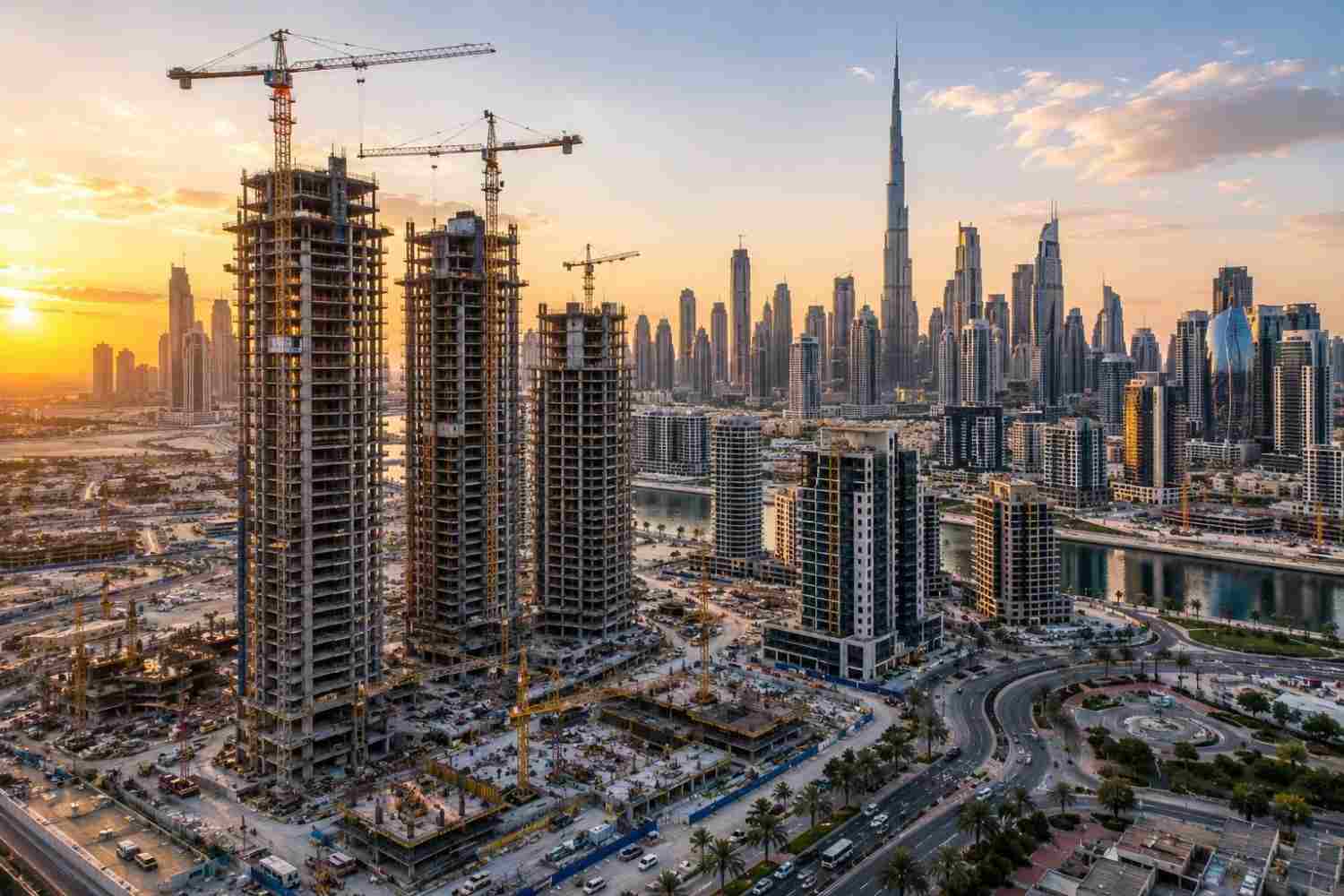
Off-Plan vs Ready Properties in Dubai: Which Is Right for You? Dubai offers a wide variety of real estate opportunities, from newly launched developments to completed apartments, villas, and townhouses. For many buyers, one of the first decisions is whether to purchase an off-plan property or a ready property. Both options offer different advantages and considerations. Off-plan properties may provide access to new developments and staged payment plans, while ready properties allow buyers to inspect an existing home and assess its location and condition before purchasing. The right choice depends on your budget, intended use, financial position, preferred timeline, and tolerance for risk. In this guide, EVG Real Estate explains the key differences between off-plan and ready properties in Dubai so you can compare your options more confidently. What Is an Off-Plan Property? An off-plan property is a property purchased before construction is completed. Depending on the development, buyers may purchase during the launch stage, while construction is underway, or before the unit is ready for handover. Off-plan developments are available across different parts of Dubai and may include apartments, villas, townhouses, and larger residential communities. One feature that attracts buyers is the possibility of a developer payment plan. Rather than paying the entire purchase price at once, payments may be scheduled across specified milestones, according to the contract. However, buyers should carefully review the developer’s track record, project registration, contractual obligations, construction schedule, payment milestones, and expected completion date. Delays and changes in market conditions can affect the buying experience, and projected future values are never guaranteed. An off-plan property may suit buyers who: Have a longer timeframe before needing the property. Prefer a new development or modern design. Can follow the agreed payment schedule. Have reviewed the project’s risks and contractual terms. What Is a Ready Property? A ready property is a completed home that can generally be inspected before purchase. Depending on its status, the property may be vacant, owner-occupied, or rented to an existing tenant. Ready properties allow buyers to evaluate the actual unit, building, surrounding community, available amenities, and condition before making a decision. For buyers who need a home sooner, a completed property may offer a more straightforward route to occupation, subject to the transaction, financing, and handover arrangements. Ready properties can also be considered by buyers exploring rental income. However, any expected income should be assessed against realistic market rents, service charges, maintenance expenses, vacancy periods, and management costs. A ready property may suit buyers who: Want to inspect the actual property before buying. Need a home within a relatively short timeframe. Prefer an established community and existing amenities. Want to evaluate a property’s current rental or occupancy situation. Off-Plan vs Ready Properties: Key Differences Feature Off-Plan Property Ready Property Property status Under development or not yet completed Construction completed Inspection Show unit, plans, and project details may be available Actual unit can generally be inspected Payment structure May offer staged developer payments Usually follows the agreed purchase and transfer terms Move-in timing Depends on construction and handover May be sooner, depending on occupancy and transfer Main risks Construction delays, developer and market risks Property condition, maintenance, pricing and market risks Rental income Usually starts after completion and when available for letting May be available after purchase, subject to tenancy and readiness Property condition Final condition must be assessed at handover Existing condition can be reviewed before purchase The exact terms vary by project and property. Buyers should review the specific contract and transaction requirements rather than relying only on general comparisons. Which Option Is Better for Property Investment? Neither off-plan nor ready property is automatically the better investment. Each option should be evaluated according to your investment objectives, financial capacity, expected holding period, and the characteristics of the property itself. Off-Plan Investment Considerations Off-plan properties may offer access to new developments, different unit configurations, and staged payment schedules. Buyers who do not need immediate occupancy may find these features relevant. However, construction delays, changing market conditions, payment obligations, and uncertainty around future rental demand or resale values need careful consideration. Ready Property Investment Considerations Ready properties allow buyers to examine the existing unit and assess the surrounding area. Current rental listings and comparable properties may help inform an assessment of potential rental income, although actual results can vary. Buyers should account for maintenance, vacancy, service charges, transaction expenses, and the property’s condition. A completed property is not risk-free simply because it already exists. What Should You Compare? Total purchase cost, including applicable fees. Payment schedule and financing requirements. Location, transport links, and nearby amenities. Current and potential rental demand. Service charges and maintenance obligations. Construction and delivery risks, where applicable. Resale considerations and your intended holding period. The best option is the one that aligns with your objectives and financial circumstances, not necessarily the one with the lowest advertised price. Understanding Payment Plans and Financing Payment structure can significantly influence which type of property is appropriate for you. Some off-plan developments offer staged payment plans linked to dates or construction milestones. These arrangements can spread payments over a defined period, but they still create contractual obligations that buyers must be able to meet. Ready property purchases may involve cash payment or mortgage financing, depending on the buyer’s eligibility and the transaction. Buyers using financing should understand deposit requirements, mortgage approval, repayment terms, interest rates, and related fees. Before signing an agreement, consider whether you can comfortably meet the full payment schedule while maintaining a reserve for unexpected expenses. Important: Never assume that a payment plan automatically makes a property affordable. Review the entire payment schedule and total purchase cost. Costs to Consider Before Buying Beyond the property price, buyers should account for other expenses that may affect the overall cost of ownership. Depending on the transaction, these may include: Applicable registration and transfer fees. Agency fees and other transaction charges. Mortgage arrangement and valuation costs. Service charges and maintenance expenses. Insurance and property management costs. Furnishing or renovation expenses. Off-plan payment
Buying Property in Dubai: A Complete Guide for First-Time Buyers
Buying Property in Dubai: A Complete Guide for First-Time Buyers Dubai has become a popular destination for property buyers looking for a modern lifestyle, diverse residential communities, and a wide range of real estate options. From contemporary apartments in the heart of the city to spacious villas in family-friendly neighbourhoods, the market offers properties to suit different budgets and preferences. However, buying a property is a significant financial decision. Understanding the buying process, choosing the right location, preparing your budget, and reviewing the associated costs can help you approach the process with greater confidence. In this guide, EVG Real Estate explains the key steps to consider when buying property in Dubai, whether you’re planning to live in your new home, purchase a rental property, or explore long-term investment opportunities. Understand Your Property Goals Before exploring listings, decide what you want to achieve with your purchase. Your goals will influence the type of property, location, budget, and features you should prioritise. Buying a home: Focus on your daily lifestyle, commute, nearby schools, transport links, community facilities, and available space.Buying for rental purposes: Consider potential tenant demand, property management, service charges, maintenance expenses, and realistic rental income estimates. Buying for long-term investment: Compare location fundamentals, ownership costs, resale considerations, market conditions, and how long you intend to hold the property. Having clear priorities makes it easier to shortlist suitable properties instead of getting distracted by options that don’t match your requirements. Set a Realistic Budget The advertised property price is only one part of the total purchase cost. Buyers should account for applicable transaction fees and the ongoing expenses of owning a property. Depending on the transaction, your budget may need to include: – Property purchase price.– Dubai Land Department registration fees and other applicable charges.– Real estate agency fees, where applicable.– Mortgage arrangement and valuation fees, if financing is involved.– Service charges and maintenance expenses.– Insurance, utilities, and furnishing costs, where relevant. If you’re using a mortgage, review your eligibility, deposit requirements, interest rate, and repayment obligations before committing to a property. It’s also sensible to maintain a financial buffer for unexpected expenses. A realistic budget helps you focus on properties you can comfortably afford rather than stretching your finances for a particular location or feature. Choose the Right Area in Dubai Location plays an important role in your everyday experience and may also influence a property’s rental appeal and resale prospects. Dubai’s communities offer different environments, amenities, property types, and price points. skip render: ucaddon_glowing_content_card skip render: ucaddon_glowing_content_card skip render: ucaddon_glowing_content_card skip render: ucaddon_glowing_content_card skip render: ucaddon_glowing_content_card skip render: ucaddon_glowing_content_card Explore All Communities Check the Property Carefully Before Buying A property’s appearance is important, but the decision should also be supported by proper checks. Before proceeding, consider: – Ownership and title: Verify ownership information and the property’s registration status. – Property condition: Inspect the unit, fixtures, fittings, and any visible maintenance issues. – Service charges: Understand recurring building or community charges. – Building and community facilities: Confirm which amenities are available and whether any restrictions apply. – Developer and project details: For off-plan purchases, review the relevant approvals, contract terms, and payment arrangements. – Financing: Confirm mortgage eligibility and required funds before entering into binding commitments. – Legal documentation: Ensure the required agreements and transfer documents are reviewed and properly completed. Independent legal, technical, or financial advice may be appropriate depending on the complexity of the purchase. Can Foreign Buyers Purchase Property in Dubai? Eligible foreign nationals can purchase property in designated freehold areas of Dubai, subject to applicable regulations and property-specific requirements. International buyers should verify that the chosen property is available for ownership under the relevant rules and understand the required identification, documentation, payment, and registration procedures. If you’re buying from overseas, you may also want to consider how viewings, document signing, payments, and property management will be handled. Some steps may be coordinated remotely, depending on the transaction and the requirements of the parties involved. Before committing, confirm the current process with the relevant Dubai authorities and qualified professionals. Understand the Property Buying Process skip render: ucaddon_step_process Common Mistakes First-Time Buyers Should Avoid Even an attractive property can become a poor fit if important details are overlooked. Keep these common mistakes in mind: – Focusing only on the purchase price: Remember to account for transaction fees, service charges, maintenance, and other ownership expenses. – Choosing a location without research: Visit the area where possible and consider transport, amenities, noise, and your daily requirements. – Rushing into a decision: Compare suitable alternatives and review the documentation before committing.– Assuming investment returns are guaranteed: Rental income and property values can change, and actual results may differ from expectations. – Ignoring resale considerations: Think about the potential future buyer or tenant profile and the property’s wider market context. – Overlooking the contract: Make sure you understand payment obligations, deadlines, conditions, and consequences before signing. A considered approach can help you identify issues early and make decisions that better align with your needs. Is Buying Property in Dubai Right for You? Buying property in Dubai can be a significant lifestyle or financial decision, but the right choice depends on your circumstances. Your budget, preferred community, financing arrangements, intended use, and investment horizon all deserve careful consideration. Rather than focusing solely on a property’s appearance or advertised price, compare the full ownership costs, understand the associated risks, and make sure the property suits your plans. Taking the time to research your options and seek appropriate guidance can make the process more structured and help you move forward with a clearer understanding of the decision. Find Out Answers Here How much money do I need to buy property in Dubai? The amount depends on the property’s purchase price, your financing arrangement, and the applicable transaction fees. Buyers should calculate the total funds required before committing. Can I buy property in Dubai without living there? Eligible overseas buyers can purchase property in designated areas subject to applicable rules. The process and documentation depend
Dubai Hills Estate
Dubai Hills Estate is a modern master-planned community designed around residential comfort, green open spaces, and a balanced lifestyle. The community features a diverse selection of contemporary apartments, villas, and townhouses surrounded by landscaped areas, parks, walking and cycling routes, retail destinations, and leisure facilities. Dubai Hills Mall and Dubai Hills Park add to the everyday convenience of the area, while its location provides access to important parts of Dubai. With its spacious surroundings, modern properties, and family-oriented environment, Dubai Hills Estate offers an alternative to the more densely developed areas of the city and provides opportunities for buyers, renters, and investors looking for contemporary community living.
Business Bay
Business Bay is a dynamic mixed-use community located close to Downtown Dubai, bringing together modern residential towers, commercial offices, hotels, restaurants, cafés, and lifestyle destinations. The area offers a wide selection of contemporary apartments and premium residences, making it a popular location for professionals, residents, and property buyers looking for a central Dubai address. Its proximity to Downtown, major business districts, Sheikh Zayed Road, and key transport routes provides convenient connectivity across the city. With its modern skyline, waterfront setting along the Dubai Canal, and growing collection of dining and lifestyle destinations, Business Bay offers an urban environment suited to those who want to live close to the centre of Dubai.
Jumeirah
Jumeirah offers a more relaxed and established residential experience while remaining closely connected to Dubai’s major business, retail, and entertainment destinations. Known for its attractive villas, townhouses, apartments, beaches, cafés, restaurants, schools, and family-friendly surroundings, the community provides a comfortable setting for residents seeking space and convenience. Its proximity to the coastline adds to the appeal, while nearby roads provide straightforward access to areas across the city. From spacious family homes to modern apartments and premium residences, Jumeirah offers a diverse selection of properties and a lifestyle that combines residential comfort with the character of one of Dubai’s established coastal communities.
Palm Jumeirah
Palm Jumeirah is one of Dubai’s most iconic residential and lifestyle destinations, recognised for its distinctive palm-shaped design, beautiful waterfront surroundings, and collection of luxury residences. The community offers a variety of premium apartments, villas, penthouses, and beachfront properties, many of which provide expansive views of the Arabian Gulf and Dubai skyline. Residents can enjoy access to private beaches, upscale hotels, fine dining restaurants, leisure attractions, and a range of lifestyle experiences throughout the island. With its combination of waterfront living, luxury amenities, privacy, and convenient access to key areas of Dubai, Palm Jumeirah continues to attract homeowners, tenants, and property buyers looking for an exclusive residential environment.
Downtown Dubai
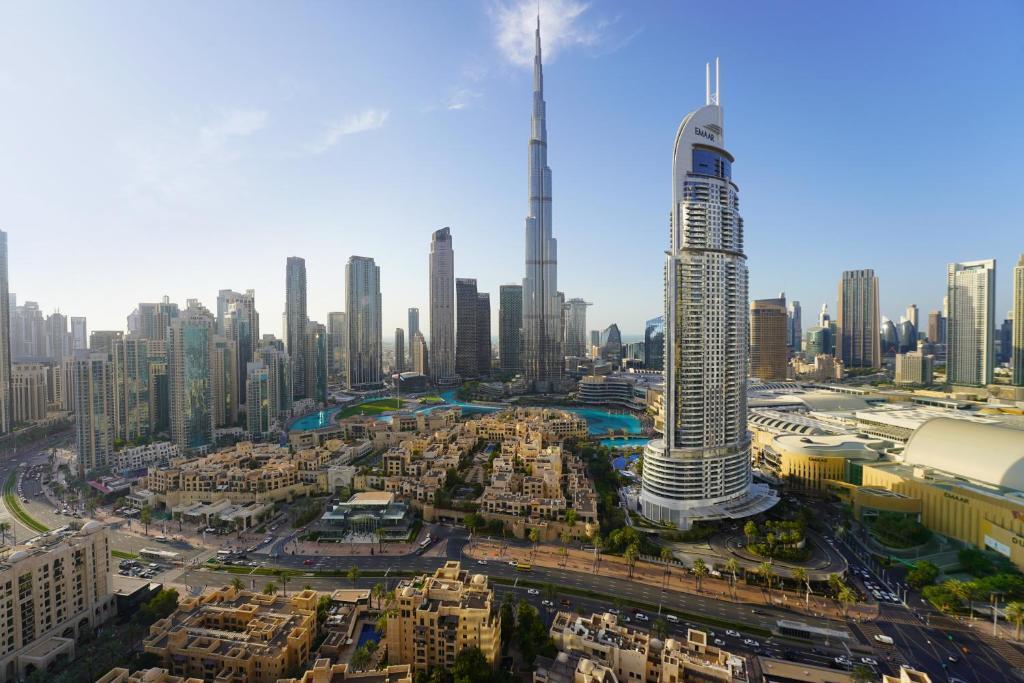
Downtown Dubai is at the heart of the city and is surrounded by some of Dubai’s most recognised landmarks, premium residences, shopping destinations, restaurants, hotels, and entertainment experiences. Known for its impressive skyline and highly connected location, the community offers a sophisticated urban lifestyle with a wide selection of modern apartments, luxury residences, and premium properties. Residents benefit from convenient access to Dubai Mall, Burj Khalifa, Sheikh Zayed Road, Business Bay, and other important areas of the city. Whether you are searching for a stylish city residence, a centrally located rental property, or an opportunity to explore Dubai’s premium real estate market, Downtown Dubai provides a dynamic environment where residential, business, retail, and leisure experiences come together.
